
Introduction
Camping is one of the most rewarding outdoor activities, allowing you to connect with nature and escape the hustle and bustle of daily life. One of the most critical decisions for a successful camping trip is choosing the right tent. In this guide, we’ll explore everything you need to know about camping tents, from types and materials to features and maintenance.
Types of Camping Tents
When selecting a camping tent, it’s essential to understand the various types available. Here are some common options:
- Dome Tents: These are the most popular and offer excellent stability and space.
- Backpacking Tents: Lightweight and compact, perfect for hikers.
- Family Tents: Spacious and comfortable, designed for larger groups.
- Pop-Up Tents: Convenient and easy to set up, ideal for short trips.
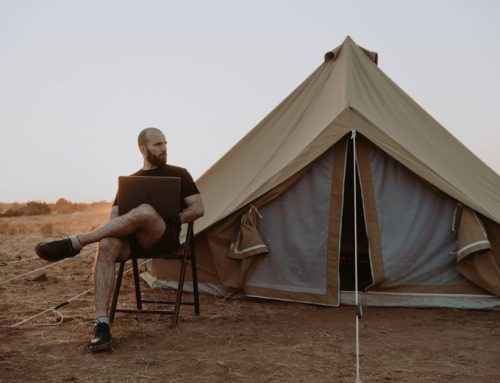
- Canvas Tents: Durable and breathable, great for extended camping.
Dome Tents
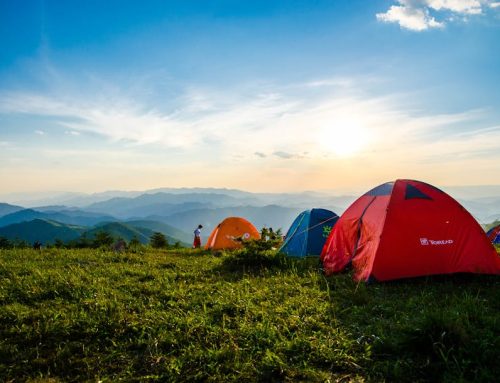
Dome tents are characterised by their rounded shape, which provides excellent wind resistance. They typically come with two or more poles that cross at the top, creating a sturdy structure.
Backpacking Tents
Backpacking tents are designed for portability. They are lightweight, easy to carry, and can be set up quickly, making them ideal for hiking trips.
Family Tents
Family tents are larger and provide ample space for multiple occupants. They often come with separate rooms or dividers for privacy.
Key Features to Look For
Choosing the right tent involves considering several features:
- Weather Resistance: Look for tents with waterproof materials and good ventilation.
- Size: Ensure that the tent can comfortably fit all occupants and gear.
- Weight: Consider the weight if you plan to carry it for long distances.
- Setup: Opt for tents that are easy to set up, especially if you’re a beginner.
- Durability: Check the materials and stitching quality for longevity.
Material Choices
The material of your tent significantly impacts its performance. Here are common materials used in camping tents:
- Polyester: Lightweight, affordable, and resistant to UV damage.
- Nylon: Strong and lightweight, but can be susceptible to UV degradation.
- Canvas: Heavy-duty and breathable but can be bulky to carry.
Setting Up Your Tent
Proper setup is key to a successful camping experience. Here’s a step-by-step guide:
- Choose a flat and dry spot to pitch your tent.
- Lay out the footprint or tarp to protect the tent floor.
- Assemble the poles according to the manufacturer’s instructions.
- Attach the tent body to the poles and secure with pegs.
- Rainfly installation can be added for extra weather protection.
Maintenance and Care
Taking care of your tent will extend its lifespan. Here are some maintenance tips:
- Always dry the tent before storing it to prevent mould.
- Clean with mild soap and water; avoid harsh chemicals.
- Store in a cool, dry place away from direct sunlight.
Choosing the Right Tent Size
Tent sizes can be confusing, so here’s a quick guide:
| Size | Capacity |
|---|---|
| 2-Person | Ideal for couples or solo travellers with gear. |
| 4-Person | Comfortable for small families or groups. |
| 6-Person | Great for larger families or group camping. |
Frequently Asked Questions
What is the best tent for beginners?
The best tent for beginners is usually a pop-up or dome tent. These models are easy to set up and provide good stability in various weather conditions.
How do I know if my tent is waterproof?
Check the tent’s waterproof rating, usually indicated by a hydrostatic head measurement. A rating of 1500mm or higher is considered waterproof.
Can I use a camping tent in winter?
Yes, but ensure you choose a 4-season tent designed for snow and strong winds. These tents are built to withstand harsh weather conditions.
How do I clean my camping tent?
Use mild soap and warm water to clean your tent. Avoid machine washing or drying, as this can damage the fabric and seams.
What is the average lifespan of a camping tent?
With proper care, a camping tent can last anywhere from 5 to 15 years, depending on the quality and frequency of use.
Conclusion
Choosing the right camping tent is vital for an enjoyable outdoor experience. Whether you’re a casual camper or a seasoned adventurer, understanding the types, features, and maintenance of camping tents will help you make an informed decision. Happy camping!