
Introduction to Camping Tents
Camping is a cherished tradition in Australia, allowing families and friends to connect with nature and create lasting memories. Choosing the right camping tent is crucial for a comfortable and enjoyable experience. In this guide, we’ll explore the various types of camping tents, what to consider when selecting one, and tips for setting up your tent.
Types of Camping Tents
1. Dome Tents
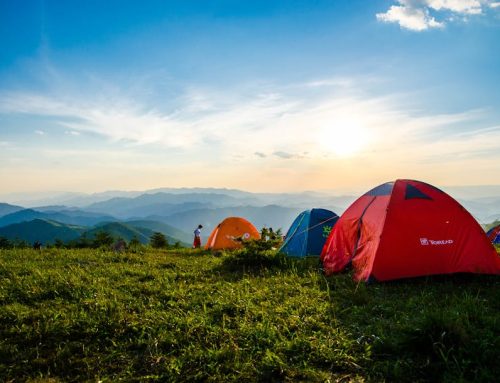
Dome tents are one of the most popular types due to their versatile design and ease of setup. They typically feature a rounded top that sheds rain effectively and provides good headroom.
- Pros: Easy to set up, good ventilation, stable in wind.
- Cons: Limited space for larger groups.
2. Cabin Tents
These tents offer plenty of space and often come with vertical walls, making them ideal for families or groups. They typically have multiple rooms and are great for extended camping trips.
- Pros: Spacious, comfortable, good for extended stays.
- Cons: Heavier and bulkier to transport.
3. Backpacking Tents
Designed for portability, backpacking tents are lightweight and compact, making them perfect for hikers. They provide a good balance between weight and durability.
- Pros: Lightweight, easy to pack, efficient for solo trips.
- Cons: Limited space and comfort.
Factors to Consider When Choosing a Camping Tent
1. Size
Consider how many people will be using the tent. Tents are usually listed with a capacity number, but it’s often wise to choose a tent that can accommodate one or two more people than your group size for extra comfort.
2. Season Rating
Tents are typically rated for different seasons:
- 3-Season Tents: Suitable for spring, summer, and fall.
- 4-Season Tents: Designed for harsh winter conditions.
- Convertible Tents: Can be adapted for different seasons.
3. Weight and Portability
If you’re planning to hike to your camping site, consider the weight of the tent. Lightweight options are essential for backpackers.
4. Material and Durability
The tent fabric should be durable and waterproof. Look for materials like ripstop nylon or polyester that can withstand the elements.
Tips for Setting Up Your Camping Tent
1. Choose the Right Spot
Find a flat, dry area to set up your tent. Avoid low spots where water might collect if it rains.
2. Use a Groundsheet
A groundsheet can protect the bottom of your tent from sharp rocks and moisture.
3. Stake Down Your Tent
Always stake down your tent to secure it against wind. Use guylines for added stability.
Maintenance and Care for Your Tent
Proper maintenance can extend the life of your tent:
- Always clean the tent after use.
- Store it dry to prevent mould.
- Inspect for damages regularly.
Conclusion
Choosing the right camping tent can enhance your outdoor experiences significantly. Consider the type of camping you’ll be doing, the number of people, and your specific needs to find a tent that suits your adventures.