
Introduction
Camping is one of the most popular outdoor activities in Australia, offering an escape from the hustle and bustle of urban life. A key component of any camping trip is a reliable tent. In this guide, we’ll explore the different types of camping tents available, how to choose the right one for your needs, and some essential tips for setting up and maintaining your tent.
Types of Camping Tents
1. Dome Tents
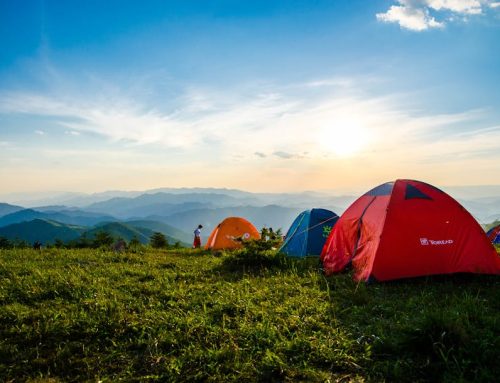
Dome tents are a popular choice due to their robust structure and ease of setup. They typically feature a curved shape, which allows for better wind resistance and rain runoff.
2. Cabin Tents
If you’re looking for extra space and comfort, cabin tents are the way to go. They come with vertical walls, providing more headroom and room for furniture.
3. Pop-Up Tents
For those who prefer a quick setup, pop-up tents are highly convenient. These tents can be set up in seconds, making them perfect for casual camping trips.
4. Backpacking Tents
Lightweight and compact, backpacking tents are designed for hikers. They can easily fit into a backpack, making them ideal for long-distance trekking.
5. Family Tents
Family tents are spacious and designed to accommodate multiple people. They often come with separate rooms and can fit larger groups comfortably.
Choosing the Right Camping Tent
Consider Your Needs
Before purchasing a tent, think about the following factors:
- Size: How many people will be using it?
- Weight: Will you be carrying it long distances?
- Weather Resistance: What climate conditions will you face?
Budget
Camping tents are available at various price points. Set a budget and explore options that offer the best value for your money.
Material
The material of your tent affects weight, durability, and weather resistance. Common materials include:
- Polyester: Lightweight and waterproof.
- Nylon: Strong and durable, often used in backpacking tents.
- Cotton: Breathable but heavier and less waterproof.
Setting Up Your Tent
Finding the Right Location
Choose a flat, dry area away from hazards like falling branches. Look for natural windbreaks such as bushes or rocks.
Setup Steps
- Lay out the tent and ensure all components are present.
- Assemble the poles and insert them into the tent sleeves.
- Stake down the tent securely to prevent it from blowing away.
- Add the rainfly if needed for extra protection.
Maintaining Your Camping Tent
Cleaning
Keep your tent clean by brushing off dirt and debris. Use mild soap and water for deeper cleaning.
Storage
Store your tent in a cool, dry place. Avoid packing it away wet to prevent mold and mildew.
Conclusion
Choosing the right camping tent is essential for a successful outdoor adventure. By understanding the different types available and considering your specific needs, you can select a tent that enhances your camping experience. Remember to maintain your tent properly to ensure its longevity.