
Introduction
Camping is one of the most enjoyable ways to connect with nature. Choosing the right camping tent is essential for a successful adventure. In this guide, we’ll explore various types of camping tents, factors to consider when purchasing, and tips for setting up your tent.
Types of Camping Tents
1. Dome Tents
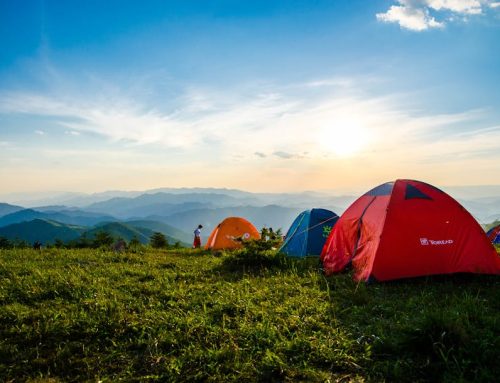
Dome tents are among the most popular choices for campers. They are easy to set up, lightweight, and provide good wind resistance.
- Pros: Lightweight, compact, good ventilation
- Cons: Less headroom than other designs
2. Cabin Tents
Cabin tents offer a more spacious interior with vertical walls, making them ideal for family camping. They often come with room dividers.
- Pros: Spacious, comfortable, good for families
- Cons: Heavier, more difficult to set up
3. Backpacking Tents
Backpacking tents are designed for portability. They are lightweight and compact, making them perfect for hiking trips.
- Pros: Lightweight, compact, easy to carry
- Cons: Less durable, limited space
4. Pop-Up Tents
Pop-up tents are incredibly easy to set up, making them perfect for beginners. They literally pop into shape.
- Pros: Quick setup, great for festivals
- Cons: Less durable, not suitable for windy conditions
Factors to Consider When Choosing a Camping Tent
1. Size
Consider how many people will be using the tent. It’s essential to choose a size that comfortably accommodates everyone:
- 2-person tents for couples
- 4-person tents for families
- 6+ person tents for larger groups
2. Seasonality
Tents are often rated for different seasons:
- 3-season tents: Suitable for spring, summer, and autumn.
- 4-season tents: Designed for harsh winter conditions.
3. Material
The material affects durability and weight:
- Polyester: Lightweight and water-resistant.
- Nylon: Strong, lightweight, but can be more expensive.
- Canvas: Heavy, but very durable and breathable.
4. Weight
If you’re backpacking, weight is crucial. Always opt for lightweight designs.
Setting Up Your Tent
1. Choose the Right Location
Look for flat ground, away from water sources and potential hazards like falling branches.
2. Lay Out the Tent
Unpack your tent and lay it out flat. Ensure the door faces the desired direction.
3. Assemble the Tent Poles
Follow the instructions carefully to avoid damaging your tent.
4. Secure the Tent
Use stakes and guylines to secure your tent, especially in windy conditions.
Care and Maintenance of Your Tent
1. Cleaning
Always clean your tent after use. Use mild soap and water to remove dirt and grime.
2. Drying
Make sure your tent is completely dry before packing it away to prevent mould.
3. Storage
Store your tent in a cool, dry place, preferably in its original bag.
Conclusion
Choosing the right camping tent can make or break your outdoor experience. Consider your needs, the type of camping you plan to do, and follow our tips for a successful camping trip.