
Introduction to Camping Tents
Camping is one of Australia’s most cherished outdoor activities, offering a gateway to explore breathtaking landscapes. A vital component of any camping trip is your tent. The right camping tent can enhance your experience, providing shelter and comfort.
Types of Camping Tents
When selecting a camping tent, understanding the various types available is crucial. Here are some common categories:
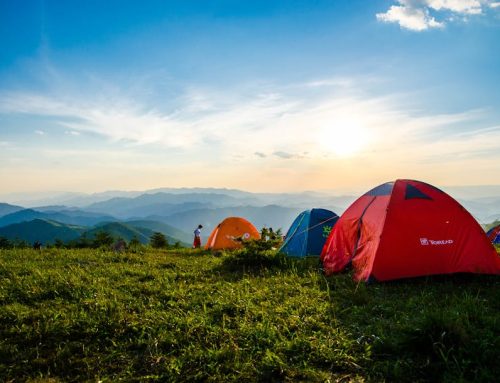
- Dome Tents: Popular for their ease of setup and stability.
- Cabin Tents: Offer more headroom and space, ideal for family camping.
- Backpacking Tents: Lightweight and compact, perfect for hiking trips.
- Pop-up Tents: Easy to pitch, great for quick getaways.
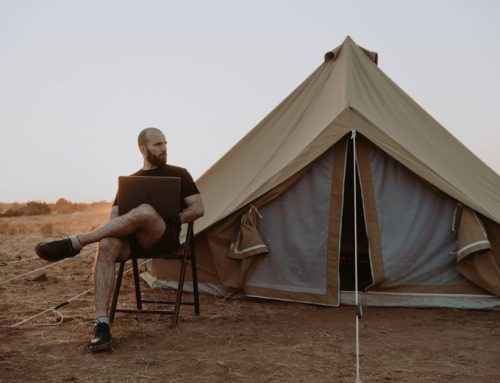
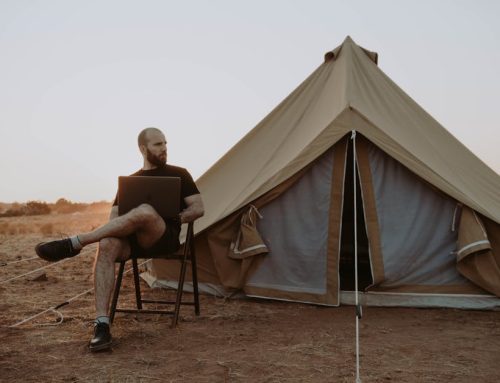
- Canvas Tents: Durable and weather-resistant, excellent for long-term camping.
Factors to Consider When Choosing a Camping Tent
1. Size and Capacity
It’s essential to consider how many people will be using the tent. Tents come in various sizes, from solo options to family-sized tents. Always opt for a tent that can accommodate one or two additional people for comfort.
2. Weight
If you plan to hike to your camping destination, weight becomes a significant factor. Look for lightweight materials that won’t burden your backpack.
3. Weather Resistance
A good camping tent should withstand various weather conditions. Look for features such as waterproof fabrics and sturdy poles.
4. Ease of Setup
For beginners or those who prefer simplicity, choose a tent that is easy to set up. Pop-up tents and those with colour-coded poles can save time and frustration.
Setting Up Your Tent
Understanding how to set up your tent properly is vital for a successful camping experience. Follow these steps:
- Choose a flat, dry area free from debris.
- Lay out the tent footprint to protect the floor.
- Assemble the tent poles and insert them into the base.
- Secure the tent with pegs, ensuring it’s taut to avoid water pooling.
Common Camping Tent Features
Modern camping tents come with various features that enhance your experience:
- Vestibules: Provide extra storage space for gear.
- Mesh Panels: Allow for ventilation while keeping insects out.
- Built-in Pockets: Help organise small items.
Maintenance and Care of Your Camping Tent
To prolong the life of your tent, consider these maintenance tips:
- Always dry the tent before storing it to prevent mould.
- Use a footprint to protect the tent floor.
- Check for damages after each trip and repair them promptly.
Camping Tent Accessories
Enhance your camping experience with these essential accessories:
- Sleeping Bags: Choose one suitable for the season.
- Sleeping Pads: Offer comfort and insulation from the ground.
- Lanterns: Essential for lighting up your camp at night.
FAQs About Camping Tents
1. How do I choose the right size tent for my group?
Consider counting all potential occupants and adding one or two extra spots for comfort. A two-person tent is ideal for solo camping, while a family should consider larger tents that offer more space.
2. What is the best material for a camping tent?
Nylon and polyester are popular due to their lightweight and waterproof properties. Canvas tents are heavier but provide excellent durability and insulation.
3. Can I use my camping tent in winter?
While some tents are designed for winter use, ensure your tent has adequate insulation and is suitable for cold weather conditions. Four-season tents are built to withstand harsher climates.
4. How do I clean my camping tent?
Use mild soap and water to clean your tent surface. Avoid harsh chemicals, as they can damage the fabric. Always ensure the tent is completely dry before packing it away.
5. What precautions should I take when camping in a tent?
Be aware of your surroundings, set up your tent on level ground, and ensure it’s well-ventilated. Always check the weather forecast before heading out.
Conclusion
Choosing the right camping tent is essential for a successful outdoor adventure. With the right information, you can select a tent that meets your needs and enhances your camping experience. Remember to consider size, weight, weather resistance, and ease of setup when making your choice.
Additional Resources
For more information on camping gear and outdoor safety tips, consider visiting local outdoor stores or websites dedicated to camping.