
Introduction to Camping Tents
Camping is a fantastic way to reconnect with nature, unwind, and experience the great outdoors. One of the most crucial elements of any camping trip is your tent. This guide will help you navigate the world of camping tents, ensuring you make the best choice for your adventures.
Types of Camping Tents
1. Dome Tents
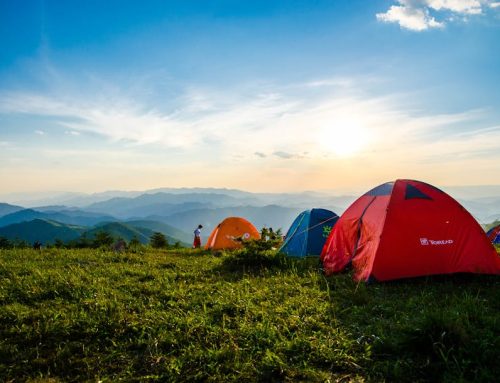
Dome tents are among the most popular types of camping tents. Their structure allows for excellent stability in windy conditions, making them a safe choice for various environments.
- Pros: Easy to set up, lightweight, and versatile.
- Cons: Limited headroom compared to some other styles.
2. Tunnel Tents
Tunnel tents are designed with a long, narrow shape that provides ample living space. They’re particularly popular among families.
- Pros: Spacious and great for families.
- Cons: Can be less stable in high winds.
3. Cabin Tents
Cabin tents resemble a small house and offer vertical walls for maximum interior space. They often come with multiple rooms, making them ideal for groups.
- Pros: Comfortable and spacious.
- Cons: Heavier and bulkier to transport.
Choosing the Right Tent for Your Needs
When selecting a camping tent, consider the following factors:
- Capacity: How many people will be using the tent?
- Seasonality: Will you be camping in summer, winter, or year-round?
- Weight: How far will you be hiking to your campsite?
- Weather Resistance: Is the tent waterproof and windproof?
- Setup: How easy is it to pitch the tent?
Essential Features to Look For
When browsing for camping tents, keep an eye out for the following features:
- Rainfly: Provides extra waterproofing.
- Vestibules: Offers extra storage space for gear.
- Mesh Panels: Improves ventilation and reduces condensation.
- Footprint: Protects the tent floor from abrasions.
Setting Up Your Tent
Setting up your tent correctly is vital for a comfortable camping experience. Here are some tips:
- Choose a flat, dry area to pitch your tent.
- Clear the area of rocks and debris.
- Lay out the footprint if you have one.
- Assemble the tent poles and insert them into the appropriate sleeves.
- Secure the tent with stakes and guylines for stability.
Maintenance and Care
Proper care of your camping tent will prolong its life. Here are some maintenance tips:
- Always dry your tent before packing it away.
- Store your tent in a cool, dry place.
- Avoid leaving your tent exposed to direct sunlight for prolonged periods.
- Regularly check for and repair any leaks or damages.
Best Camping Tents of 2023
| Brand | Model | Capacity | Weight | Price |
|---|---|---|---|---|
| Big Agnes | Copper Spur HV UL | 2 Person | 1.42 kg | 9 |
| MSR | Hubba NX | 1 Person | 1.72 kg | 9 |
| REI | Co-op Half Dome | 2 Person | 1.77 kg | 9 |
FAQs About Camping Tents
What is the best material for a camping tent?
The best materials for camping tents typically include polyester and nylon. Both materials offer durability, waterproofing, and lightweight properties. Polyurethane coatings are often applied for added waterproofing.
How do I choose the right size tent?
When choosing a tent, consider the number of occupants and the gear space needed. It’s generally recommended to select a tent that can accommodate one more person than you plan to have to ensure comfort.
Can I use a camping tent for backpacking?
Yes, many camping tents are suitable for backpacking, but it’s essential to choose a lightweight model designed specifically for that purpose. Backpacking tents are typically more compact and easier to carry.
How can I waterproof my tent?
To waterproof your tent, apply a silicone-based waterproofing spray to the seams and fabric. You can also use seam sealer for added protection. Make sure to reapply every season or after heavy use.
What’s the difference between a 3-season and 4-season tent?
A 3-season tent is designed for spring, summer, and fall, providing good ventilation and lightweight materials. A 4-season tent is built to withstand harsher winter conditions, featuring sturdier poles and better insulation.
Conclusion
Choosing the right camping tent is essential for a successful outdoor adventure. By understanding the different types of tents, their features, and how to care for them, you’ll be well-prepared for your next camping trip. Happy camping!