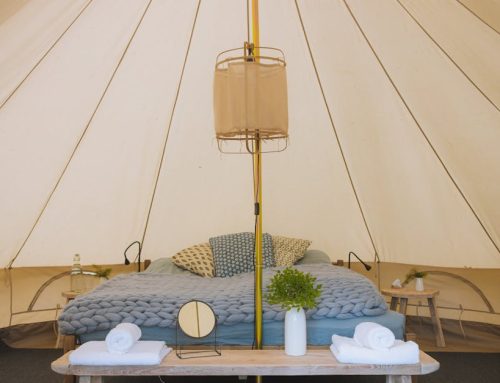

Introduction to Camping Tents
Camping is a beloved pastime for many Australians, offering a chance to connect with nature and escape the hustle and bustle of everyday life. A crucial element of any camping trip is choosing the right tent. With so many options available, it can be overwhelming. This guide will help you navigate the world of camping tents, ensuring you make an informed decision.
Types of Camping Tents
1. Dome Tents
Dome tents are popular for their easy setup and stability in windy conditions. They typically have a rounded shape that deflects wind, making them a great choice for exposed camping sites.
2. Cabin Tents
If you’re camping with family or a group, cabin tents provide ample space and standing room. They often come with vertical walls and multiple rooms, making them perfect for longer stays.
3. Backpacking Tents
Designed for portability, backpacking tents are lightweight and compact. They are ideal for hikers who need to carry their shelter with them on the trail.
4. Pop-Up Tents
Pop-up tents are the easiest to set up, as they can be erected in seconds. They are perfect for short trips and festivals, but may not withstand harsh weather conditions.
5. Geodesic Tents
Geodesic tents are robust and stable, making them suitable for extreme weather conditions. Their complex structure provides excellent strength and durability.
Key Features to Consider
1. Size
Consider how many people will be using the tent. Tents are usually classified by capacity (2-person, 4-person, etc.). Always opt for a tent that offers extra space for gear.
2. Weight
For backpackers, the weight of the tent is critical. Lightweight materials can significantly reduce the load you carry.
3. Waterproofing
Look for tents with a high waterproof rating. A rainfly and a bathtub floor can help keep you dry during unexpected rain.
4. Ventilation
Good ventilation reduces condensation. Look for tents with multiple mesh panels and vents.
5. Set-up Time
Choose a tent that matches your skill level. Some tents require more time and effort to set up than others.
Essential Accessories for Camping Tents
- Ground Tarp: Protects the tent floor and provides additional waterproofing.
- Sleeping Bags: Choose one rated for the temperatures you expect.
- Sleeping Pads: Adds comfort and insulation from the ground.
- Lanterns: Essential for lighting up your campsite at night.
- Multi-tools: Useful for various tasks, from tent repair to cooking.
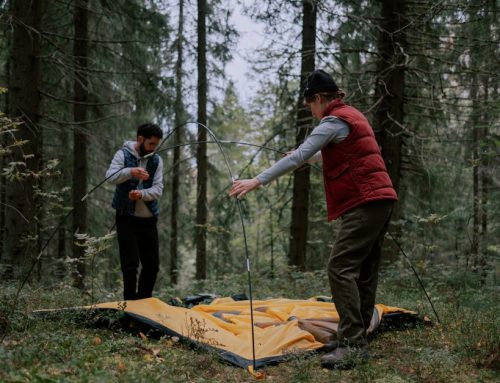
Setting Up Your Tent
- Choose a flat, dry area free of rocks and debris.
- Lay down the ground tarp, if using one.
- Assemble the tent poles according to the instructions.
- Attach the tent body to the poles.
- Secure the tent with stakes.
- Add the rainfly if necessary.
Caring for Your Camping Tent
Proper care can extend the life of your tent. Here are some tips:
- Always dry your tent before packing it away.
- Store it in a cool, dry place.
- Avoid using harsh chemicals for cleaning.
- Regularly check for tears or damage.
FAQs About Camping Tents
1. What size camping tent do I need?
The size of your tent should accommodate the number of occupants plus extra space for gear. A 2-person tent is suitable for 1-2 people, while a 4-person tent can comfortably fit 3-4 people with gear.
2. How do I waterproof my camping tent?
To waterproof your tent, consider using a silicone-based sealant on seams. Additionally, a waterproof rainfly and ground tarp can enhance protection against moisture.
3. Can I use a camping tent in winter?
Yes, but it’s essential to choose a winter-specific tent designed to withstand snow and harsh winds. Look for tents with a lower profile and stronger materials.
4. How do I clean my camping tent?
Clean your tent with warm water and mild soap. Avoid using a washing machine or harsh chemicals, as they can damage the fabric.
5. What is the lifespan of a camping tent?
With proper care, a quality camping tent can last anywhere from 5 to 15 years, depending on usage and conditions.
Conclusion
Choosing the right camping tent can make or break your outdoor experience. By understanding the different types, features, and accessories, you can select a tent that meets your needs and preferences. Happy camping!