
Introduction
Camping is one of the best ways to connect with nature, and having the right gear can make all the difference. Among the essential camping gear, a quality tent stands out as a vital piece of equipment. Whether you’re a seasoned camper or a newbie, understanding the different types of camping tents can greatly enhance your outdoor experience.
Types of Camping Tents
1. Dome Tents
Dome tents are popular for their easy setup and stability. They feature a semi-circular structure that can withstand wind and rain effectively.
2. Tunnel Tents
These tents are elongated and offer more space for sleeping. They are ideal for families or groups, providing ample room for gear.
3. Pop-Up Tents
Perfect for quick getaways, pop-up tents automatically set up in seconds. They are lightweight and easy to carry.
4. Backpacking Tents
Designed for hikers and backpackers, these tents are lightweight and compact, making them easy to transport.
5. Family Tents
Family tents are spacious and often come with multiple rooms, making them ideal for family trips.
Factors to Consider When Choosing a Camping Tent
When selecting a camping tent, consider the following factors:
- Capacity: How many people will be sleeping in the tent?
- Weather Resistance: Look for waterproof materials and sturdy construction.
- Weight: If you’re backpacking, choose a lightweight option.
- Ease of Setup: Some tents require more time to pitch than others.
- Ventilation: Good airflow helps reduce condensation inside the tent.
Top Camping Tents of 2023
| Brand | Model | Type | Capacity | Weight |
|---|---|---|---|---|
| Big Agnes | Copper Spur HV UL2 | Backpacking | 2 Person | 1.42 kg |
| MSR | Hubba NX 2 | Backpacking | 2 Person | 1.72 kg |
| Kelty | Discovery 4 | Family | 4 Person | 4.08 kg |
| REI Co-op | Half Dome SL 2+ | Dome | 2 Person | 1.65 kg |
Setting Up Your Tent
Follow these steps for an easy tent setup:
- Choose a flat, dry area free of debris.
- Lay out the tent footprint (if applicable).
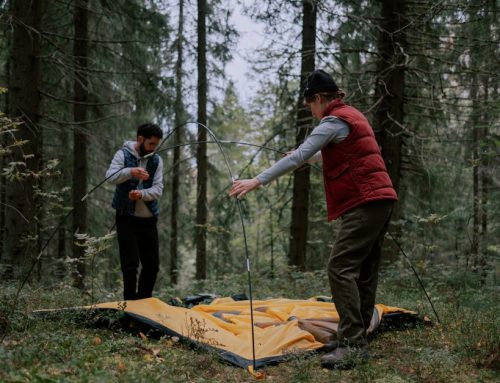
- Assemble the tent poles and insert them into the tent fabric.
- Stake down the tent corners securely.
- Attach the rainfly for added protection.
Maintenance Tips for Camping Tents
To ensure your tent lasts for many camping seasons, keep these maintenance tips in mind:
- Always clean your tent after use, removing dirt and debris.
- Store your tent in a cool, dry place to prevent mould.
- Repair any tears or damage immediately.
- Reapply waterproofing spray as needed.
Frequently Asked Questions
1. What is the best camping tent for beginners?
The best tent for beginners is usually a dome or pop-up tent, as they are simple to set up and offer good stability.
2. How do I keep my tent dry?
To keep your tent dry, use a rainfly, choose a well-drained campsite, and ensure your tent is properly sealed at the seams.
3. Can I use a regular tent for winter camping?
While regular tents can be used in winter, it is advisable to use a 4-season tent designed for harsh weather conditions.
4. How much should I spend on a camping tent?
Quality camping tents can range from 0 to over 0. Invest in a tent that meets your needs and budget.
5. What should I do if my tent gets damaged?
Assess the damage and repair it using a tent repair kit. If the damage is extensive, consider replacing the tent.
Conclusion
Choosing the right camping tent can enhance your outdoor experience significantly. By understanding the different types of tents and considering your specific needs, you can find the perfect shelter for your adventures. Happy camping!