
Introduction
Camping is an exhilarating way to reconnect with nature, and having the right camping tent can make all the difference in your outdoor experience. Whether you’re a seasoned camper or a novice, understanding the various types of camping tents available will help you make an informed decision.
Types of Camping Tents
1. Dome Tents
Dome tents are popular for their easy setup and robust structure. With a rounded top, they shed wind and rain effectively, making them suitable for various weather conditions.
2. Cabin Tents
Ideal for families or groups, cabin tents offer ample headroom and space for movement. These tents often have vertical walls, allowing for more usable interior space.
3. Backpacking Tents
Lightweight and compact, backpacking tents are designed for those who need to carry their gear over long distances. They typically accommodate one to three people and are easy to pitch.
4. Pop-up Tents
Pop-up tents are incredibly convenient and can be set up in seconds. They are great for festivals and short trips but may lack durability for extended camping.
Choosing the Right Tent
1. Consider Your Camping Style
Your camping style will greatly influence your choice of tent. Are you hiking to a remote site or driving to a campsite? This will determine the tent’s weight and size.
2. Weather Conditions
Think about the typical weather conditions in the areas where you’ll be camping. Look for tents with a good waterproof rating and adequate ventilation.
3. Size and Capacity
Choose a tent that comfortably fits the number of people camping, plus their gear. It’s often wise to opt for a tent with extra space.
Key Features to Look For
1. Waterproofing
A tent’s waterproof rating is crucial. Look for tents with a rainfly and a bathtub floor to keep you dry.
2. Ventilation
Proper ventilation helps prevent condensation inside the tent. Look for models with multiple mesh windows and vents.
3. Weight
For backpacking, weight is essential. Choose lightweight materials to minimise your load.
Setting Up Your Tent
1. Find a Suitable Location
Look for flat ground, away from hazards like falling branches. Avoid low spots that may accumulate water during rain.
2. Pitching the Tent
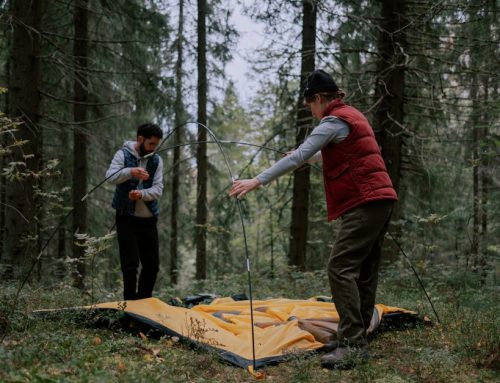
Follow the manufacturer’s instructions for setup. Typically, it involves laying out the tent, inserting poles, and securing it with stakes.
Maintenance and Care
1. Cleaning
After your trip, clean your tent with mild soap and water. Avoid using harsh chemicals that can damage the fabric.
2. Storage
Store your tent in a cool, dry place, and avoid leaving it compressed in its stuff sack for long periods.
Conclusion
Choosing the right camping tent can significantly enhance your outdoor adventures. By understanding the different types of tents and key features, you can select a shelter that meets your needs, ensuring a comfortable and enjoyable camping experience.